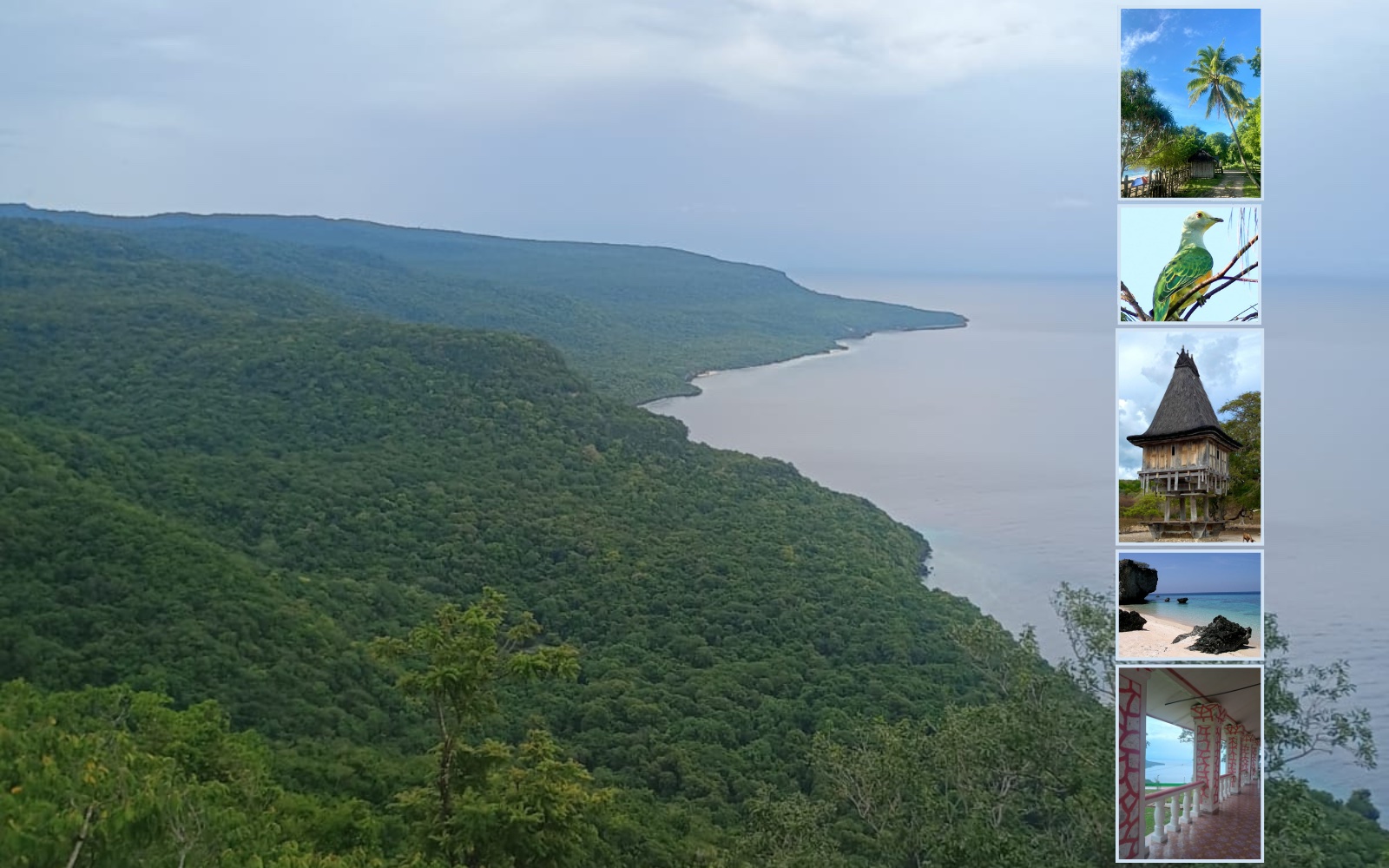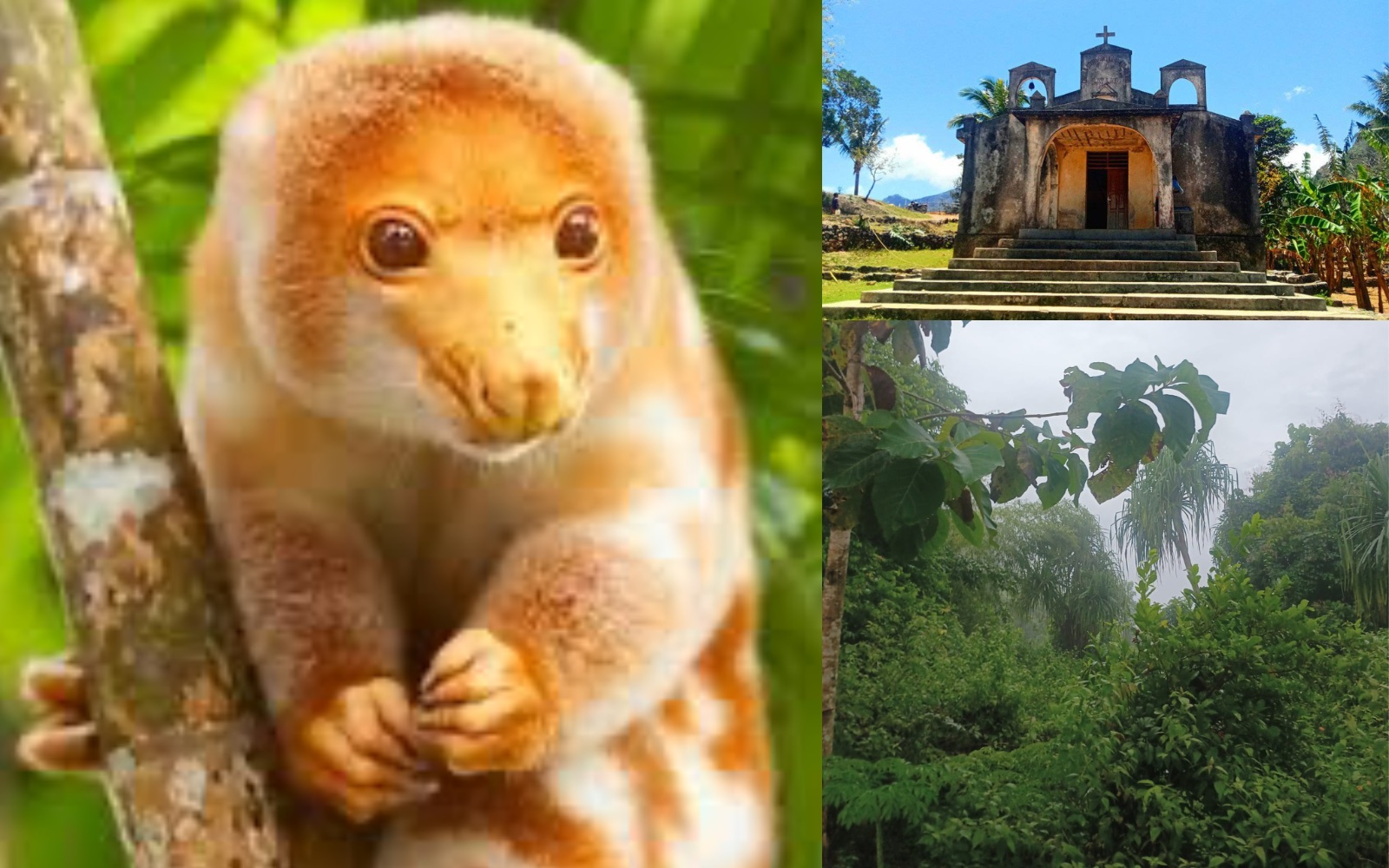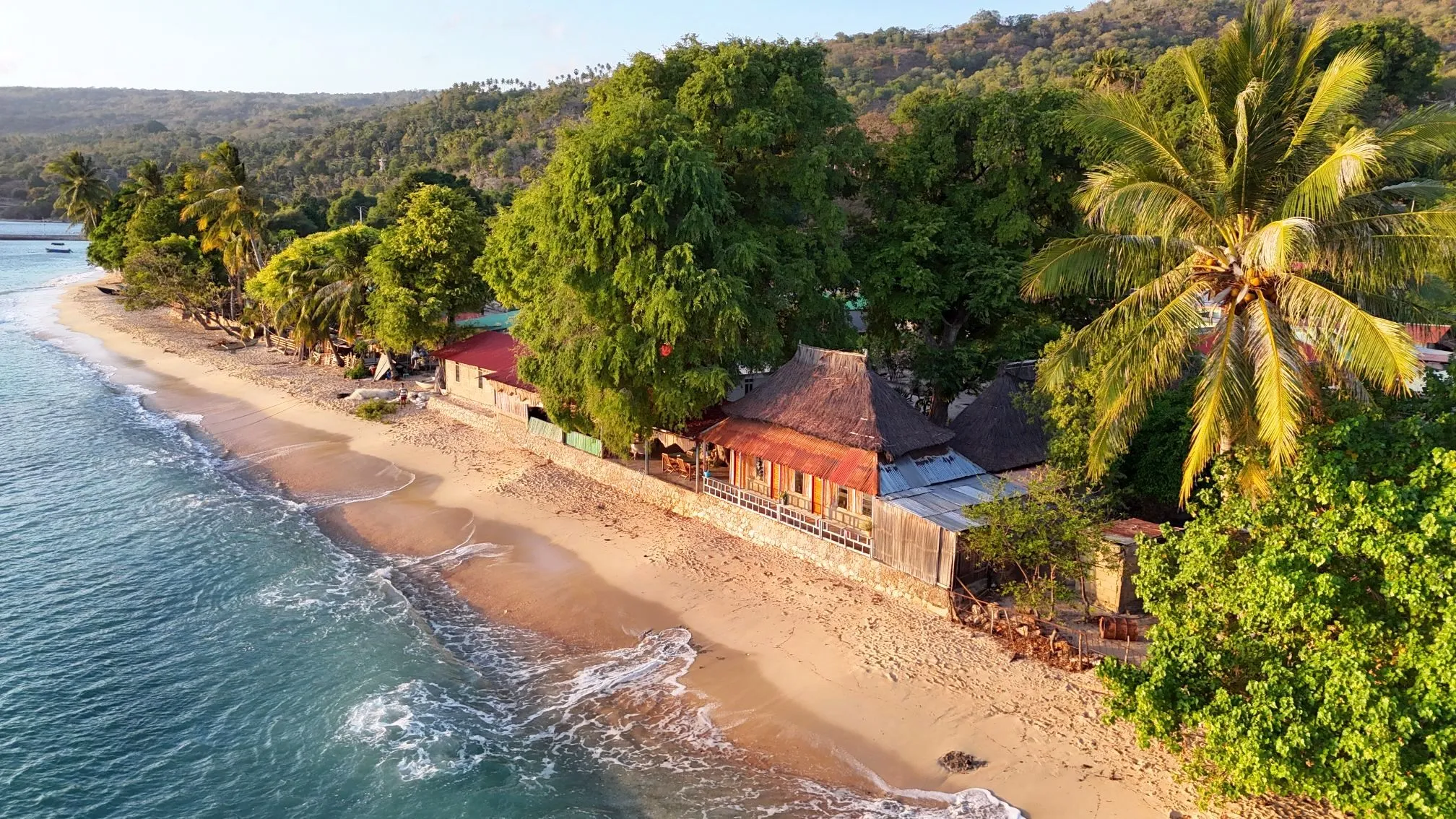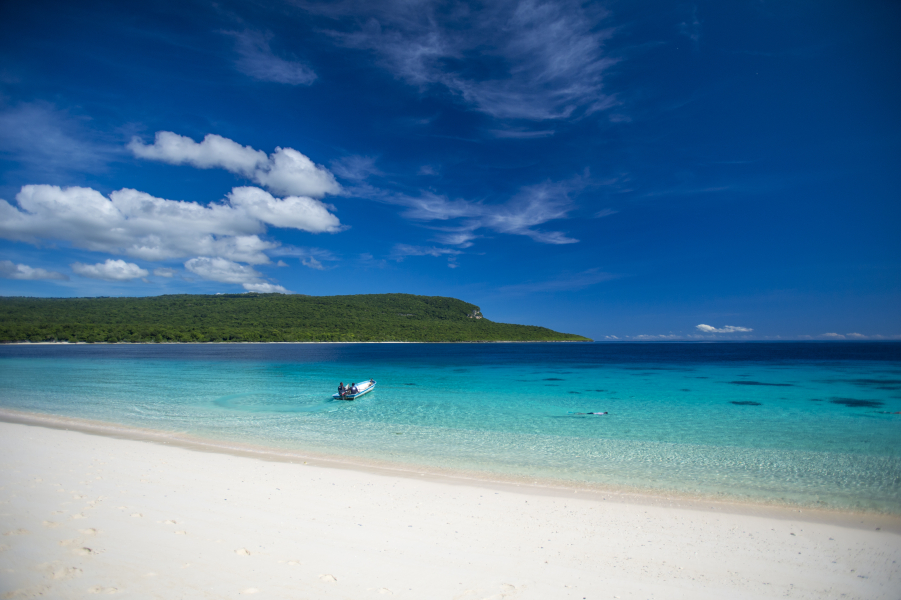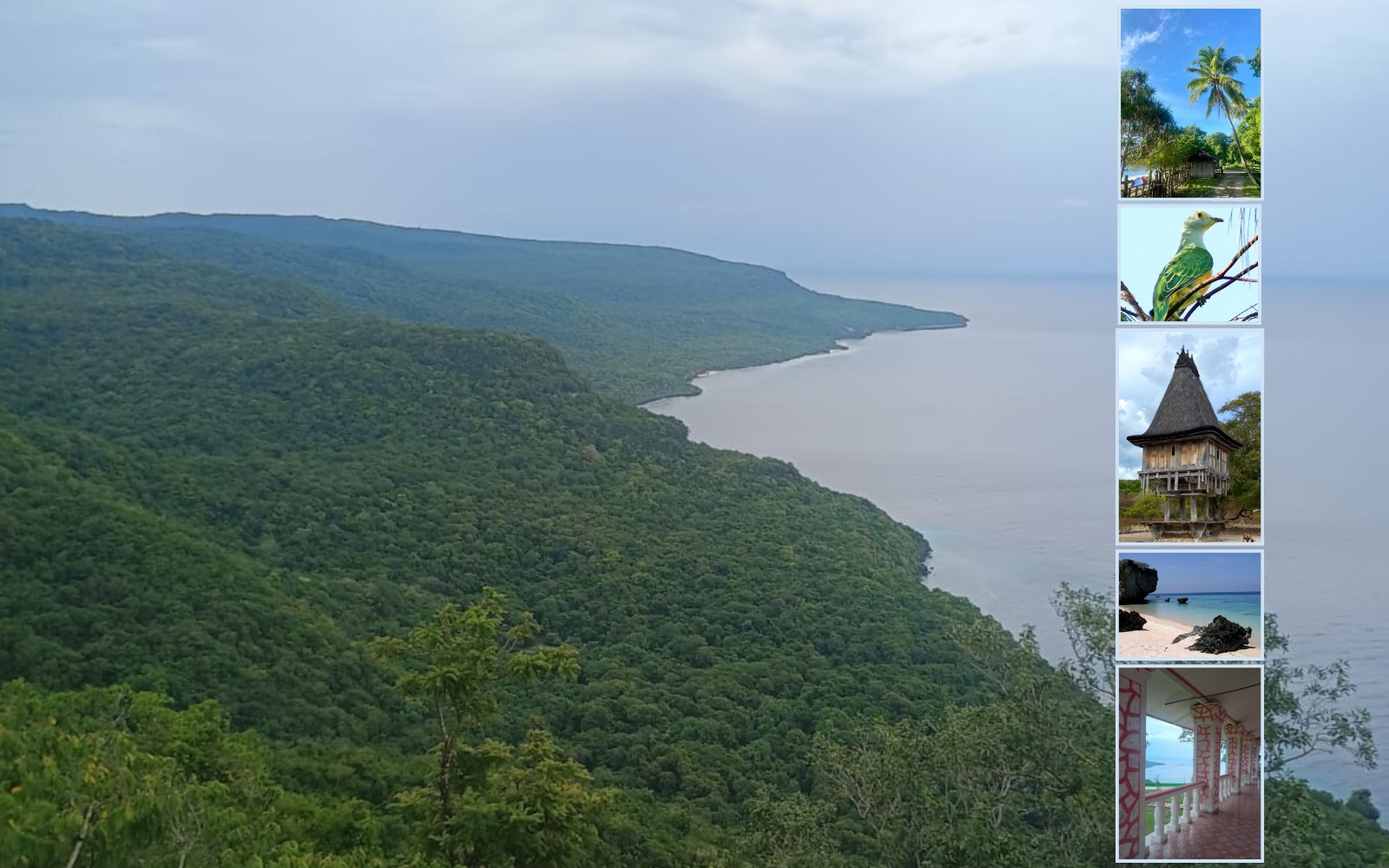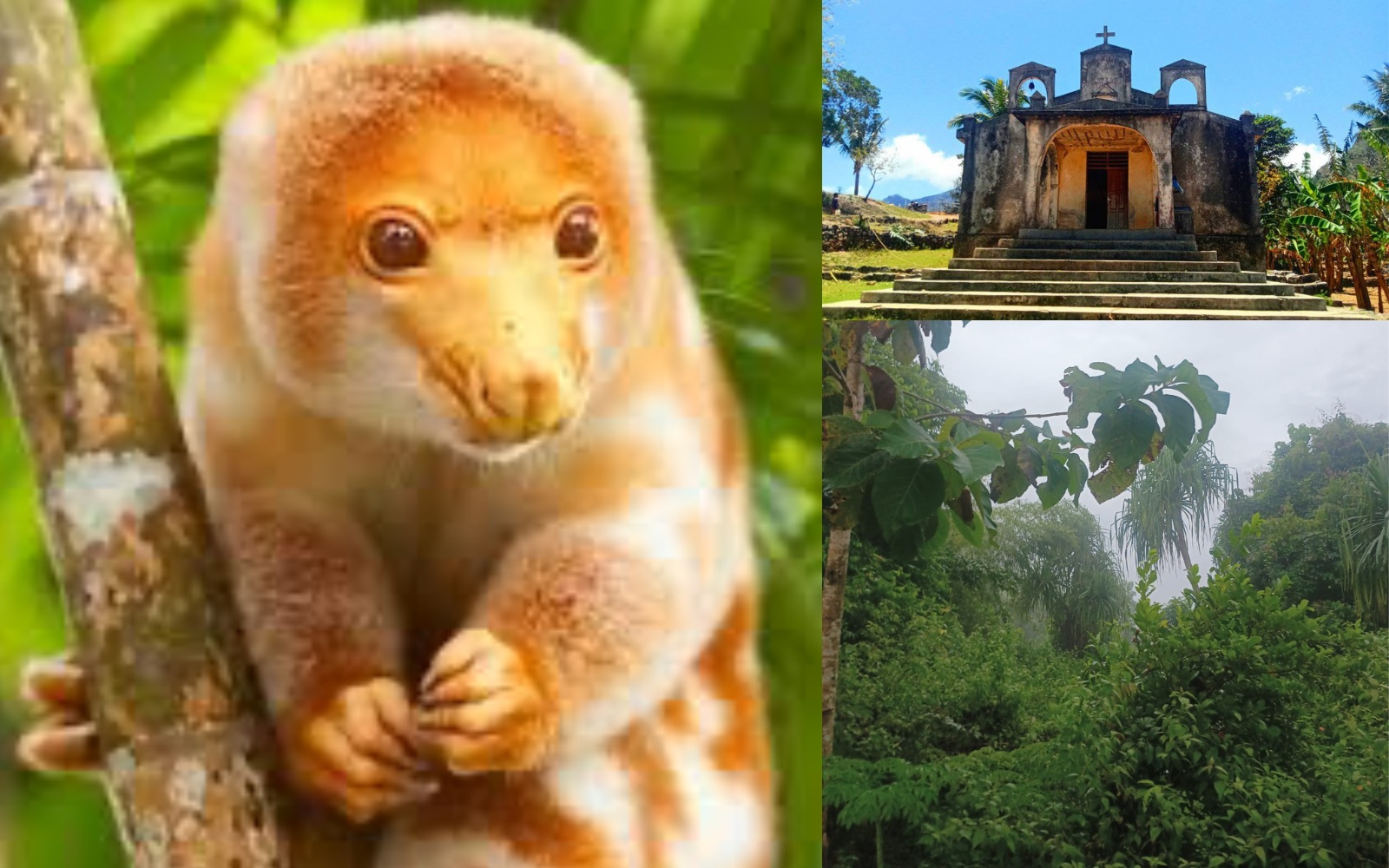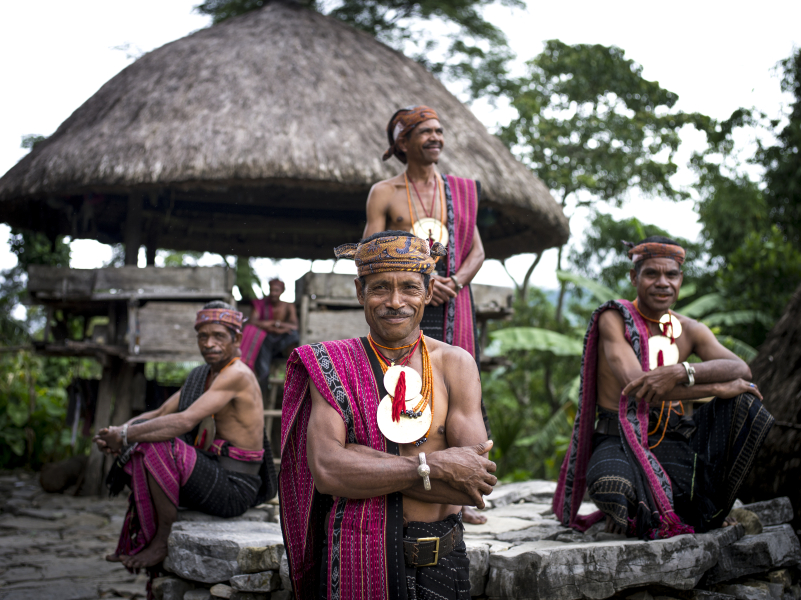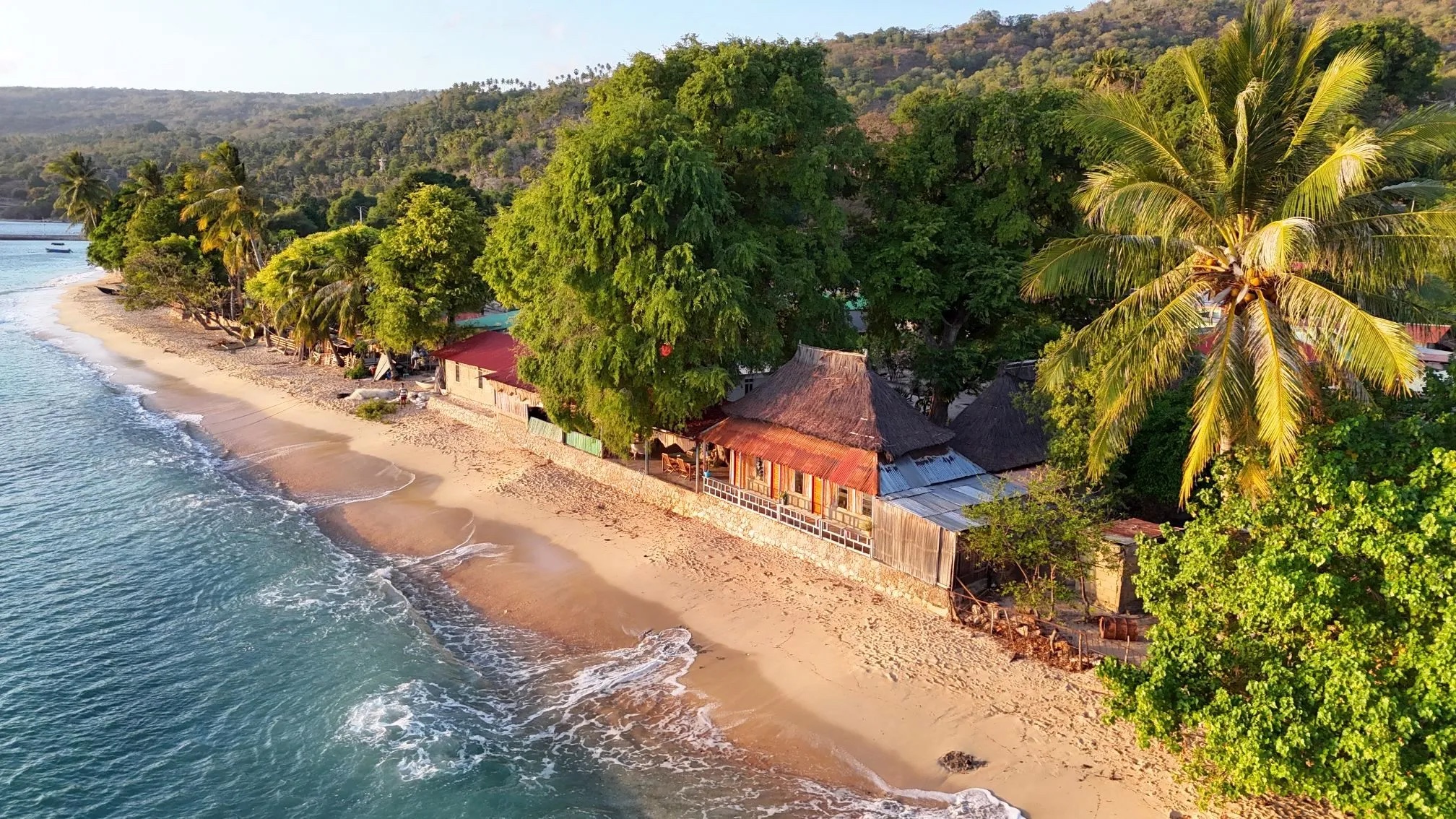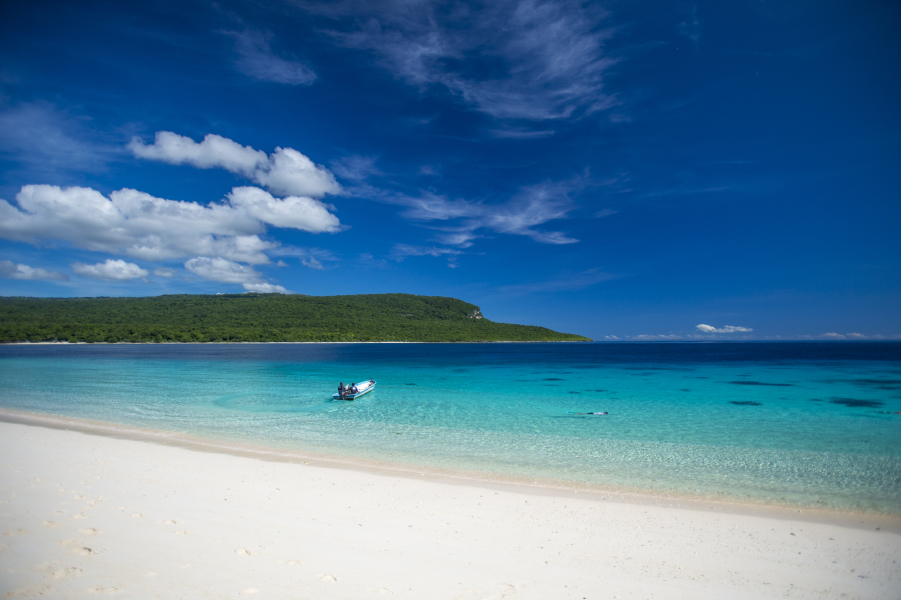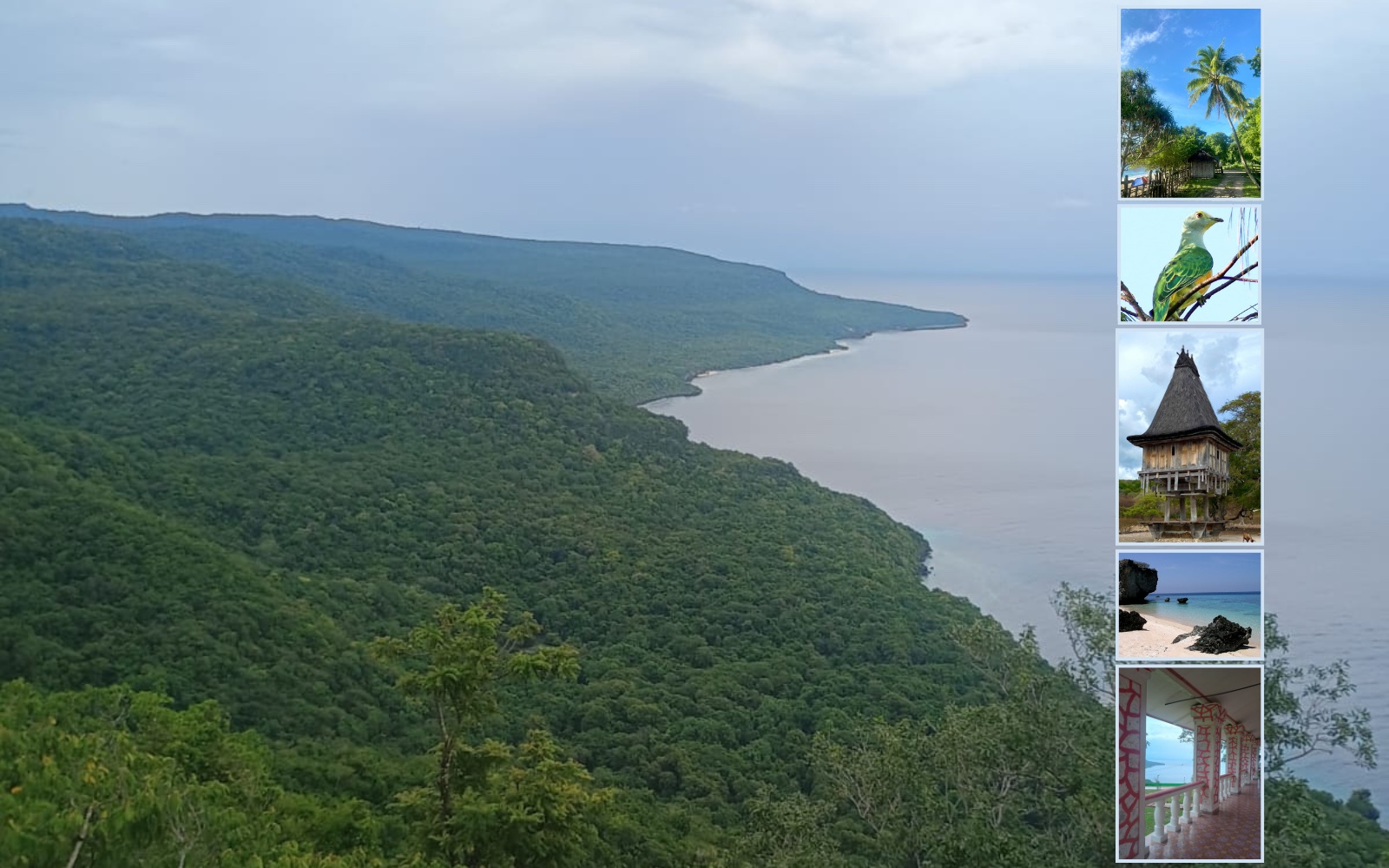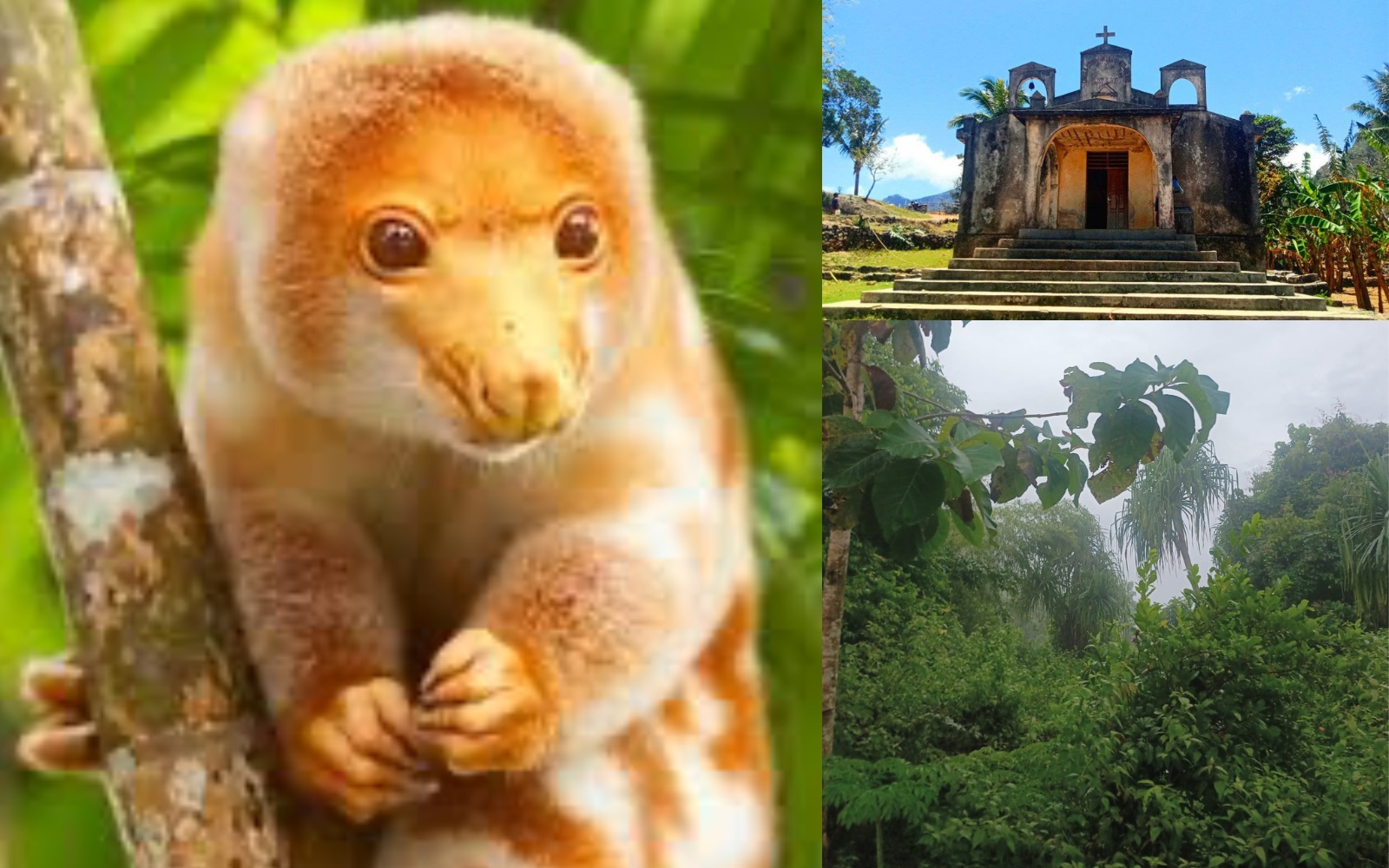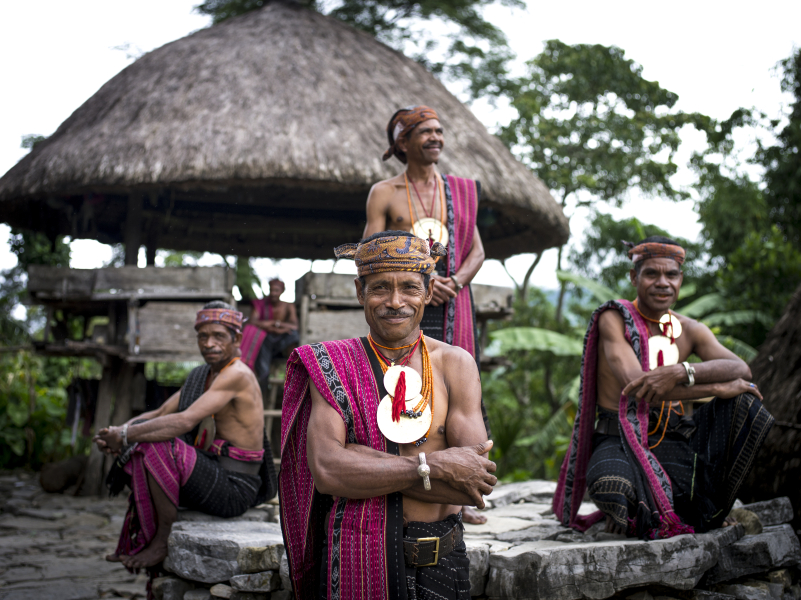



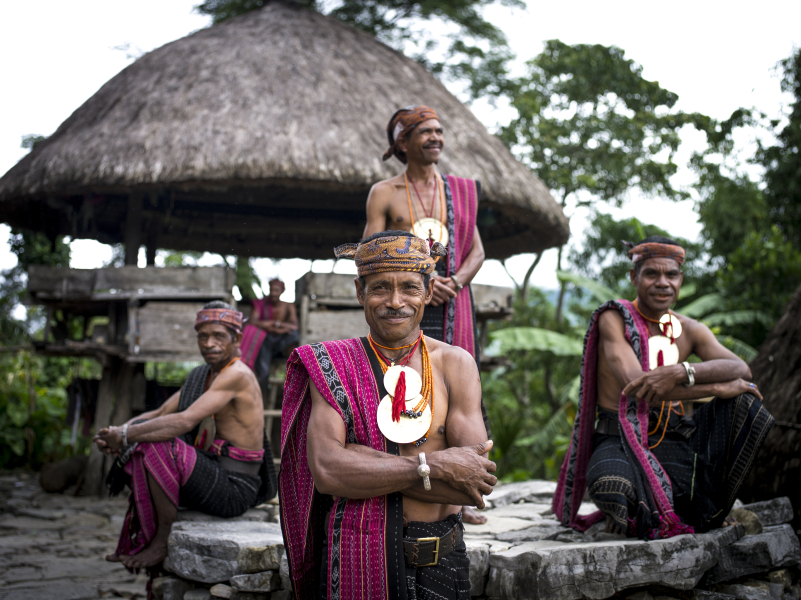
The Village of Tutuala sits high in the hills above a stunning coastline, offering visitors a journey into both natural beauty and deep cultural history. The area is home to more than 30 limestone caves and rock formations, dense forest walks and extraordinary prehistoric rock paintings and carvings dating back as far as 42,000 years.
One of the most significant sites is Lene Hara, considered the ancestral home of the local population. Here, carved faces on the cave ceiling — believed to represent ancestors — date back around 10,000 years, while ancient petroglyphs, at least 12,000 years old, stand as the only known examples in Southeast Asia, making this a site of global importance. Nearby, Il Kere Kere (Colourful Mountain) is filled with diverse and well‑preserved rock art, with local beliefs describing the paintings as appearing “when the earth first emerged.”
For those seeking comfort and history, the recently restored Pousada Lautem offers colonial‑era architecture and panoramic viewpoints across to the Wetar Islands — a peaceful retreat after exploring the region. Adventurers can take the steep 90‑minute forest walk down to Zo’on‑Sere Chailoro, an untouched oasis perfect for hiking, swimming, and free camping, best experienced with a local guide. Another highlight is the Lene Cece trail, a gentle walk through natural forest leading to a 500‑year‑old maritime rock painting of a Vietnamese Dong‑Son style boat, evidence of Timor‑Leste’s long history of seafaring connections.
The region also includes Lake Ira Lalaro, Timor‑Leste’s largest lake, important for birdlife and biodiversity where hundreds of sacred saltwater crocodiles live, linked to the Timorese legend of 'the boy and the crocodile', a story that honours the crocodile as an ancestral protector and symbol of the people’s bond with nature.
Adding to Tutuala’s cultural vibrancy, the Meci Festival is celebrated annually in April. Guided by lunar phases and star formations, local villagers enter the pristine waters of Valu beach at night, singing and dancing to call the Meci (seaworms) into the shore to be collected. This mystical tradition, led by the Ma’aleki clan, reflects the harmony between culture, nature, and community.